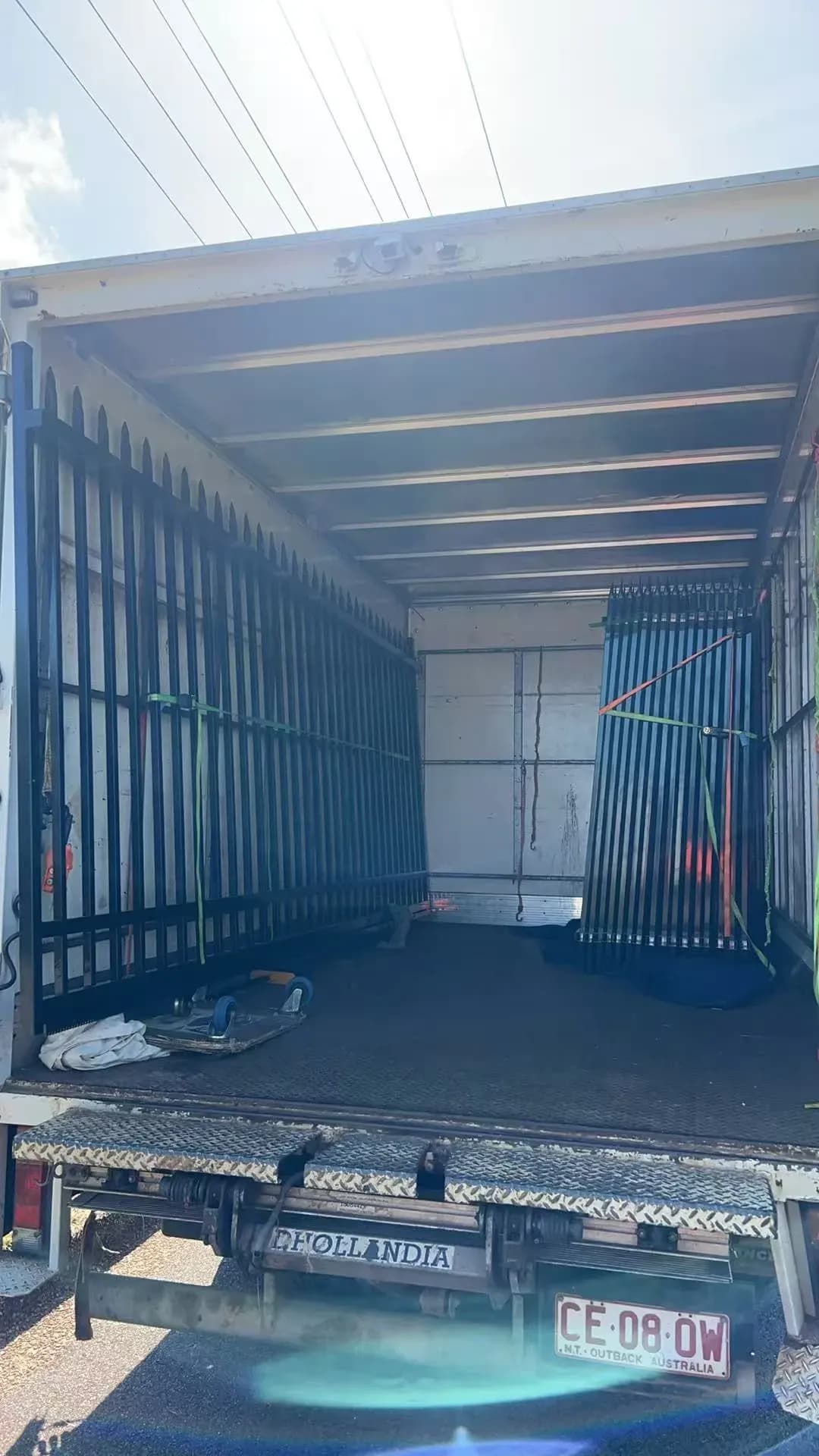
Temporary fencing enquiries are easier to review when the team understands the site boundary, the purpose of the enclosure and how the site can be accessed. An initial enquiry does not need final measurements, but it should distinguish between a short-term site requirement and permanent fencing work.
Explain the site and purpose
Provide the suburb or postcode and identify whether the site is residential, commercial, industrial, government or another type of project. Describe why temporary fencing is needed, such as controlling access around a work area or establishing a temporary boundary. Do not assume that a website enquiry confirms compliance for a particular site; project-specific requirements still need review.
Estimate the boundary and openings
A marked-up site photo, simple sketch or approximate length can help show the intended fence line. Identify any vehicle or pedestrian openings and whether access must remain available during installation or throughout the hire period. Note slopes, soft ground, existing structures or restricted areas that could affect positioning.
Information to include
- Approximate length of the boundary that needs fencing.
- Whether vehicle or pedestrian gates are required.
- Site access restrictions for delivery and installation.
- Expected start date and duration if known.
- Photos of the proposed fence line and ground conditions.
- A contact person who can clarify access and site requirements.
Keep timing as a planning input
If you have a preferred start date or expected duration, include it as planning information. Availability and installation timing are not confirmed by the automated guide and must be agreed after the team reviews the scope, access and required equipment.
AUHUA Services can record the requirements first, then confirm practical details after reviewing the site information. Temporary fencing is included within Steel Fencing Fabrication & Installation.